
Lanjan believes that heritage buildings are part of a city’s memory and a nation’s character
Lanna, “Land of the Million Rice Fields”, a group of principalities, had vague boundaries, with Chiang Rung to the north, Tak and Sukothai kingdoms to the south, the Salween River to the west and the Mekong to the east
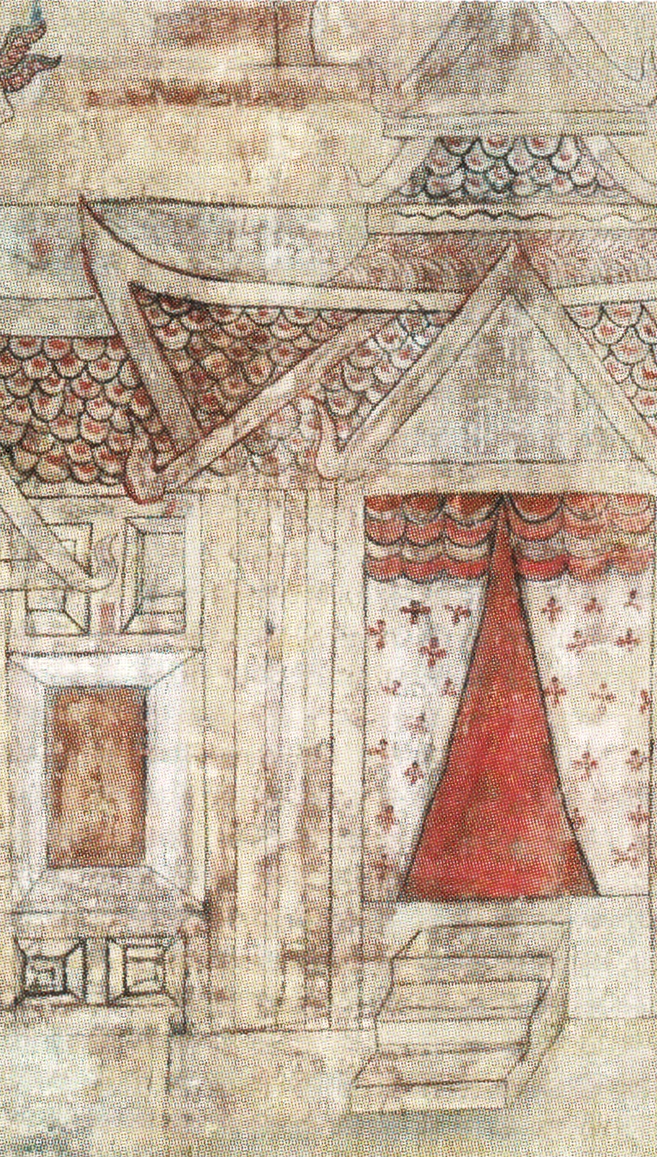
Traditional Lanna architecture, shaped by their physical and social environment and agricultural and forestry practices, was influenced by its neighbors, including southern China, and reflected nature, Buddhist beliefs and worship of ancestral spirits and holy items
The Tai are from several areas of Yunnan, scattered across southwest China, as are the Dong, who are part of the larger Tai family
From the 16th to 18th century, western styles, via Britain and Burma, and Chinese elements of construction appeared
King Setthathirath ruled Lanna from 1546-51 and established Vientiane as the capital in 1563
He built many iconic structures within Vientiane’s Heritage Town Conservation Zone (HTCZ), inside which the evolution of Vientiane began since 1,000AD